

Looking for a top autism specialist in Guwahati? Get expert child development therapy designed to improve communication, behavior, and learning skills. Our personalized therapy programs focus on early intervention, helping children achieve better long-term outcomes. We support parents with practical guidance to continue therapy at home, ensuring consistent progress. From speech delay to social challenges, our structured approach covers all aspects of development.  Give your child the right start with professional support. For consultation or to share patient details, connect on WhatsApp at 9437164832 today.
Autism Parenting Guide: How to Raise a Happy and Confident Child
Parenting a child with autism can be a deeply emotional and transformative journey. It often begins with confusion, concern, and a search for answers, but over time, it evolves into a path of understanding, patience, and unconditional love. Many parents wonder how they can raise a happy and confident child when faced with challenges related to communication, behavior, and social interaction. Autism, or Autism Spectrum Disorder (ASD), affects how a child experiences the world, but it does not define their potential. With the right parenting approach, children with autism can grow into confident individuals who are capable of learning, connecting, and leading fulfilling lives.
Understanding your child is the foundation of effective parenting in autism. Every child on the autism spectrum is unique, with their own strengths, challenges, and ways of expressing themselves. Some children may struggle with speech, while others may have difficulty with social interaction or sensory processing. Instead of focusing only on what the child cannot do, it is important to recognize and nurture what they can do. Many children with autism have remarkable abilities in areas such as memory, music, art, or problem-solving. Identifying these strengths and encouraging them can boost confidence and create a sense of achievement.
Communication is one of the most important areas where parents can make a difference. Children with autism may find it difficult to express their needs or understand language in the same way as others. Parents should use simple, clear, and consistent communication to help their child understand better. Short sentences, gestures, and visual aids can make a big difference in improving comprehension. It is equally important to give the child time to respond, as they may need extra time to process information. Encouraging any form of communication, whether verbal or non-verbal, helps the child feel heard and understood.
Creating a structured and predictable environment is another key aspect of autism parenting. Children with autism often feel more secure when they know what to expect. A consistent daily routine helps reduce anxiety and improves behavior. Simple habits such as fixed times for meals, learning, play, and sleep can create stability. Visual schedules can be particularly helpful, as they provide a clear representation of the day’s activities. When changes are necessary, preparing the child in advance can help them adjust more easily and avoid unnecessary stress.
Positive reinforcement is a powerful parenting tool that can encourage desired behaviors and build confidence. Instead of focusing on mistakes or challenges, parents should recognize and celebrate small achievements. Praising a child for completing a task, communicating a need, or showing positive behavior reinforces those actions and motivates the child to repeat them. Rewards do not always have to be material; simple gestures like a smile, a hug, or verbal appreciation can be highly effective. Over time, this positive approach helps the child develop self-esteem and a willingness to try new things.
Behavior management is often one of the biggest challenges for parents. Children with autism may display behaviors such as tantrums, repetitive actions, or resistance to change. It is important to understand that these behaviors are usually a form of communication rather than intentional disobedience. A child may act out because they are overwhelmed, frustrated, or unable to express their needs. Identifying triggers, such as sensory overload or changes in routine, can help prevent these behaviors. Responding with calmness and patience is essential, as reacting with anger can escalate the situation. Teaching alternative ways to express emotions and needs can gradually reduce challenging behaviors.
Emotional support is at the heart of raising a happy and confident child with autism. Children need to feel loved, accepted, and understood. Spending quality time together, engaging in activities the child enjoys, and showing affection helps build a strong emotional bond. Parents should create a safe and supportive environment where the child feels comfortable exploring and learning. Encouraging independence, even in small tasks, helps the child develop confidence in their abilities. For example, allowing the child to complete simple daily activities on their own, with guidance, can foster a sense of achievement.
Social development is another important area that requires attention. Children with autism may find it difficult to interact with others or understand social cues. Parents can support social skills by creating opportunities for interaction in a controlled and comfortable environment. Starting with small, familiar groups and gradually introducing new social situations can help the child build confidence. Role-playing and practicing social scenarios at home can also be effective in teaching appropriate responses and behaviors.
Education and learning should be tailored to the child’s individual needs. Traditional teaching methods may not always be effective, so parents should explore alternative approaches that match the child’s learning style. Visual learning, hands-on activities, and step-by-step instruction can make learning more accessible and enjoyable. Collaborating with teachers and therapists ensures that the child receives consistent support both at home and in educational settings.
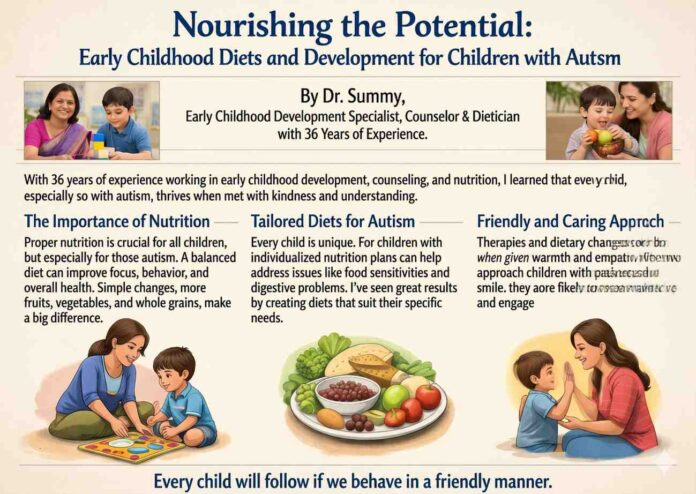
Lifestyle factors such as nutrition, sleep, and physical activity play a significant role in a child’s overall well-being. A balanced diet supports brain development and energy levels, while proper sleep is essential for concentration and emotional regulation. Physical activity helps reduce stress, improve mood, and enhance coordination. Limiting screen time is also important, as excessive exposure can affect sleep and reduce opportunities for real-life interaction.
Parents should also remember to take care of themselves. Raising a child with autism can be demanding, and maintaining emotional and physical well-being is essential for providing effective support. Seeking help from family members, professionals, or support groups can provide valuable guidance and encouragement. Staying informed about autism and learning new strategies helps parents feel more confident and prepared to handle challenges.
Professional support can further enhance a child’s development. Therapies such as speech therapy, occupational therapy, and behavioral therapy provide structured techniques to improve communication, behavior, and daily skills. Parents should actively participate in these therapies and continue practicing the techniques at home for better results.

If parents have concerns about their child’s development or need guidance on parenting strategies, seeking professional advice is an important step. Early intervention and consistent support can make a significant difference in the child’s progress. For guidance or to share patient details, you can connect via WhatsApp at 9437164832.
In conclusion, raising a child with autism is not about overcoming limitations but about discovering and nurturing unique strengths. With patience, understanding, and a positive approach, parents can create an environment where their child feels safe, valued, and confident. Every small step forward is a sign of progress, and with consistent support, children with autism can develop the skills they need to lead happy and fulfilling lives. Parenting in autism is a journey of love, growth, and resilience, where every effort contributes to building a brighter future for the child.