

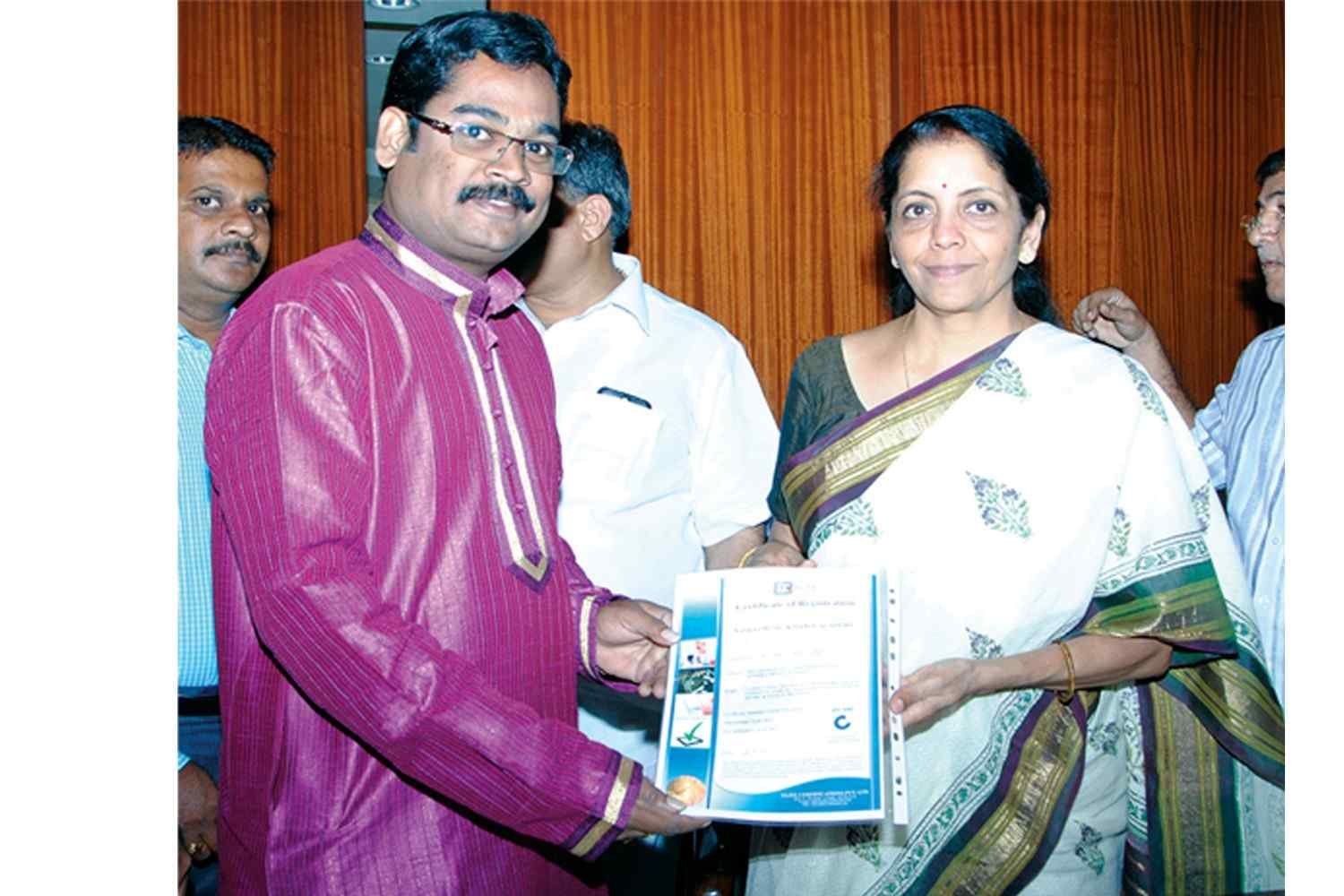
In an era when cultural information is increasingly consumed through digital platforms, printed publications continue to hold an important place in preserving India’s artistic heritage. For Indian classical dance, magazines and journals can provide something particularly valuable: a lasting written record of artists, performances, traditions and cultural developments. The Dance India, the national English-language cultural publication associated with editor and Kuchipudi exponent Vikram Kumar B R, popularly known as Bathina Vikram Goud, has built its identity around this documentation-oriented approach.
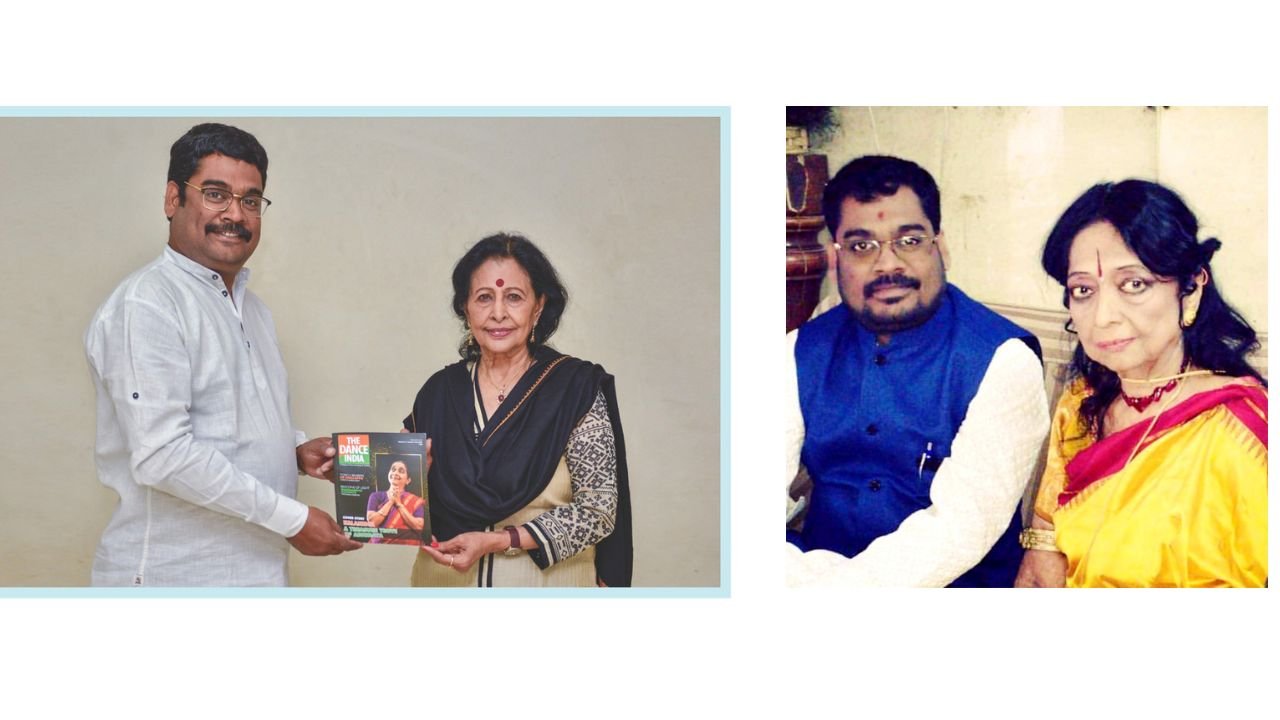
The publication has been described as reaching more than 650 libraries across India, giving its dance-related content an audience extending beyond individual performers and cultural organisations. Its presence in libraries provides another channel through which information about Indian dance can remain accessible to students, researchers, teachers and art enthusiasts.
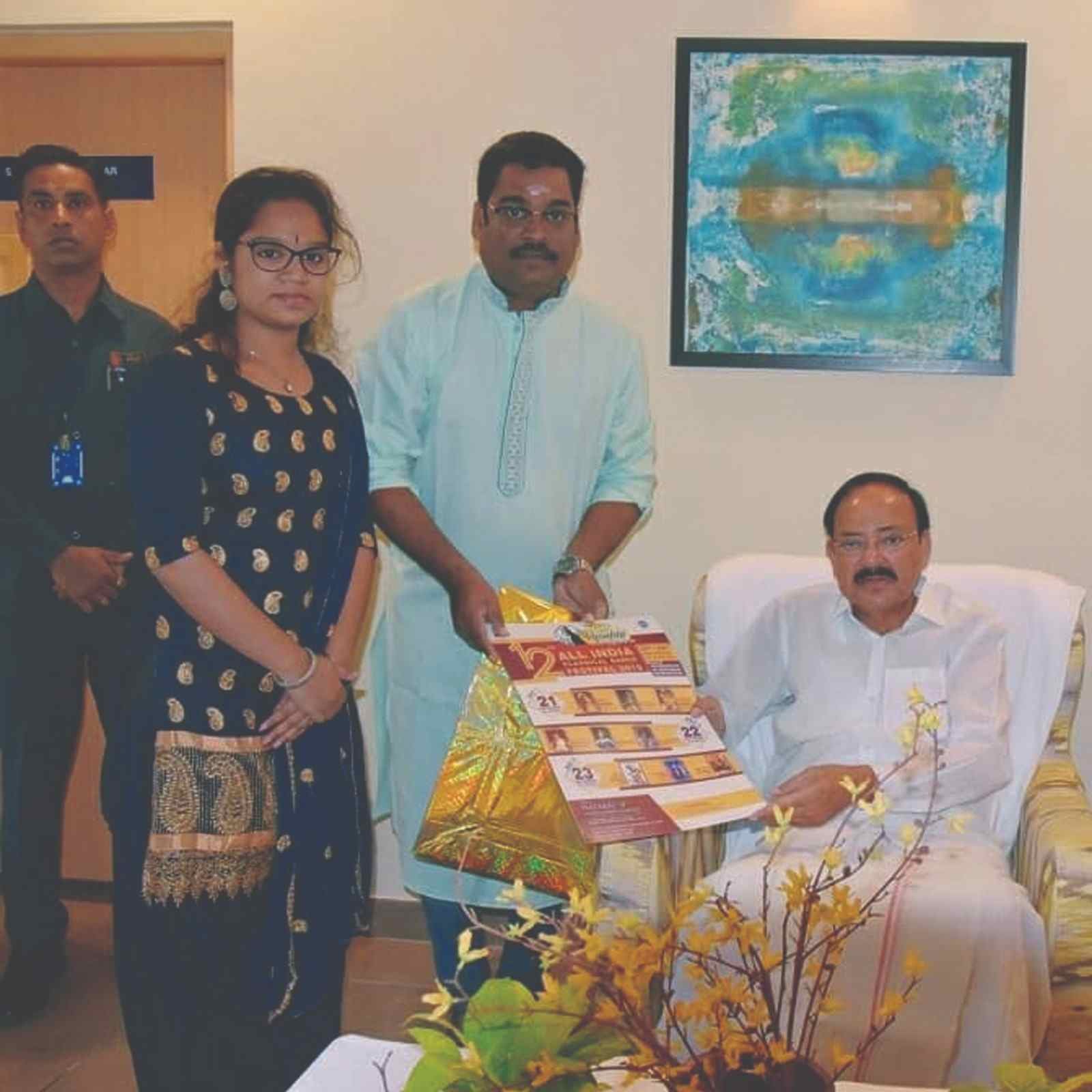
The significance of such distribution goes beyond circulation numbers. A cultural publication becomes part of the knowledge infrastructure surrounding an art form when its material is preserved and accessed over time. Unlike a performance that exists for a limited duration, a printed article can continue to inform readers long after an event has concluded.
The Dance India focuses on a range of subjects connected with Indian dance, including profiles of established artistes, performance reviews, scholarly and cultural articles, and documentation of traditional and folk practices. This creates a record of both prominent figures and the wider artistic environment in which Indian dance continues to develop.
For Vikram Kumar B R, cultural journalism is closely connected with his larger mission of preservation. His work has included performance, choreography, academic research, theatre, festival organisation and institution building. The publication adds a documentation dimension to these activities by creating written records of India’s performing-arts community.
The role of libraries becomes particularly important in this co
ntext. Libraries serve as long-term repositories of knowledge, allowing publications to remain available to readers who may encounter them years after their original publication. Students researching a particular dance form or an artist’s contribution can benefit from historical articles that might otherwise be difficult to locate.
Documentation is especially valuable for senior artistes and gurus whose careers span several decades. Their contributions may include teaching, choreography, performance and preservation of repertoire. Recording these achievements helps ensure that their role in the development of Indian classical arts is not lost with time.
The publication’s focus also extends to traditions that may receive less attention in mainstream cultural coverage. India’s artistic landscape includes numerous folk and traditional practices, and responsible journalism can help bring greater visibility to these forms.
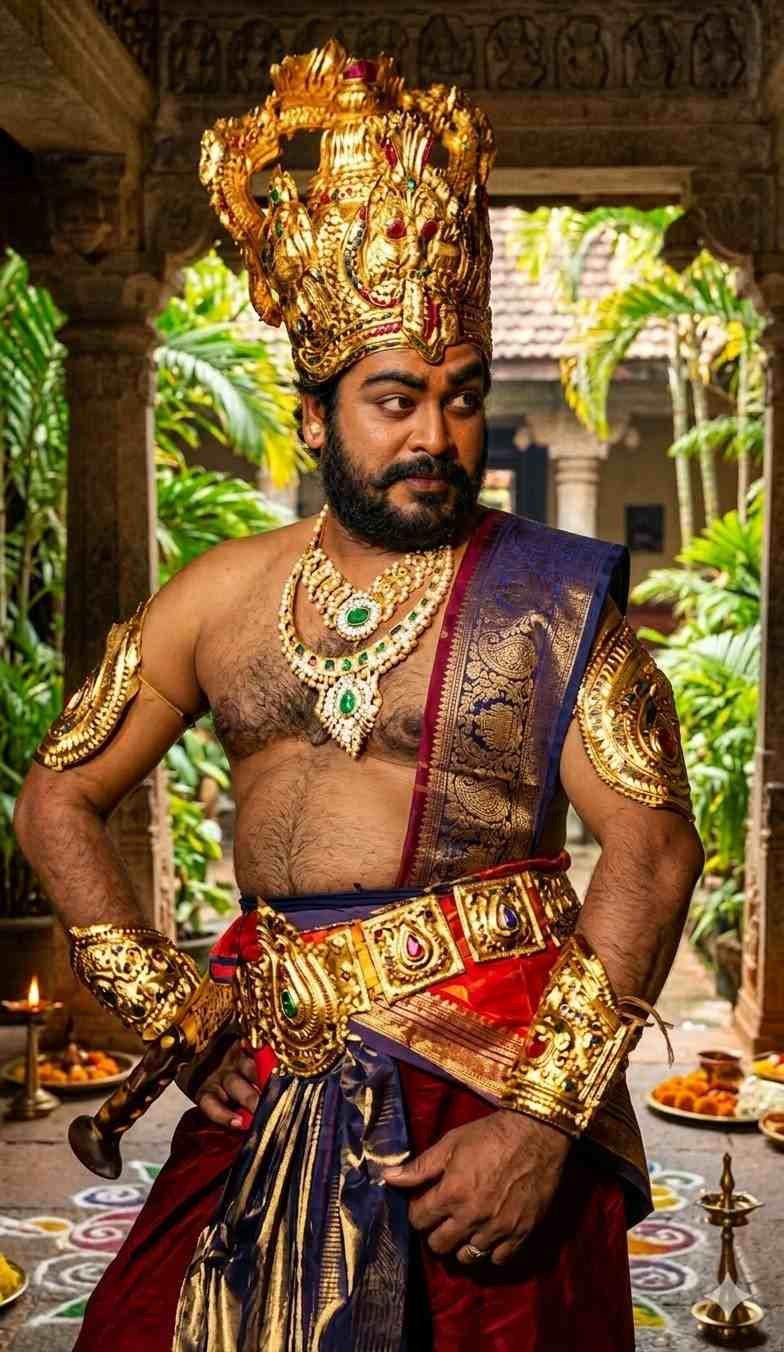
Vikram Kumar B R’s own interest in research reinforces this documentation philosophy. His academic work in Kuchipudi included research into Siva Thandavam and Saptha Thandavam, demonstrating his engagement with the intellectual dimensions of the tradition as well as its performance practice.
The need for reliable cultural records has become even more important in the digital age. Online information can be copied, altered or circulated without context. Printed publications, when responsibly produced and archived, can provide a stable reference point for researchers and future generations.
The reported reach of The Dance India across more than 650 libraries therefore represents an important aspect of its cultural role. Its material can potentially move beyond the immediate dance community and become part of broader educational and research collections.
For young dancers, access to such resources can broaden their understanding of the field. Reading about senior masters, different traditions, historical developments and contemporary performances can complement practical training received from gurus and academies.
The publication also contributes to the recognition of artists. A carefully researched profile or documented performance can preserve information about an artiste’s contribution and place that work within a wider cultural narrative.
This fits into Vikram Kumar B R’s broader belief that preservation must involve an entire ecosystem. Performers keep traditions alive through practice; teachers transmit knowledge; festivals create opportunities; researchers examine history; and publications document the people and practices involved.
In this ecosystem, The Dance India serves as a bridge between performance and recorded knowledge. Its reported presence in more than 650 libraries demonstrates the potential reach of cultural journalism as a preservation tool.
The larger objective is not simply to publish articles but to ensure that India’s dance heritage remains accessible to future readers. By placing information about artistes and traditions into a continuing publication and library network, the initiative contributes to the creation of a cultural record that can support education, research and appreciation for years to come.
For Vikram Kumar B R, the journey of The Dance India reflects a fundamental principle of cultural preservation: art must be performed to remain alive, but its history must also be documented so that future generations know who preserved it, how it evolved and why it matters.